The checklist below is a suggested record structure. The exact documents, method and reopening arrangements should be agreed for the site before the visit.
Identify the visit and approved scope
Record the building or site reference, visit date, agreed areas and the relevant quotation or work order reference. Use recognisable zone names, such as floor and room references, rather than a single total that is difficult to reconcile with the building.
Distinguish the approved scope from extra work discussed on the day. Changes should go through the agreed approval route, with cost and scope confirmed where relevant. A completion record should not quietly turn a suggestion into an authorised variation.
Reconcile completed and inaccessible areas
List which zones were completed and explain any exception. An area may be inaccessible, outside the approved scope or unsuitable for the proposed method. Record the reason and the follow-up owner instead of leaving an unexplained gap.
Where an agreed item was not completed, state the next decision needed. Avoid marking the entire visit complete in a way that hides an outstanding section. The manager should be able to compare the handover with the original scope without reconstructing the job from messages.
Record the method and observed condition
Record the cleaning method used for the agreed areas and any site-specific advice provided. Describe concerns plainly: for example, a mark still visible, existing wear noted or an area referred for further assessment. Separate an observation from a diagnosis that the contractor has not established.
Do not guarantee that every stain will be removed or that cleaning restores worn material. Pristine assesses fibre and condition before agreeing the accepted method and does not hot-water-extract viscose, rayon or art silk. Where suitability remains uncertain, record the unresolved question rather than assume permission to proceed.
Use photographs with context and permission
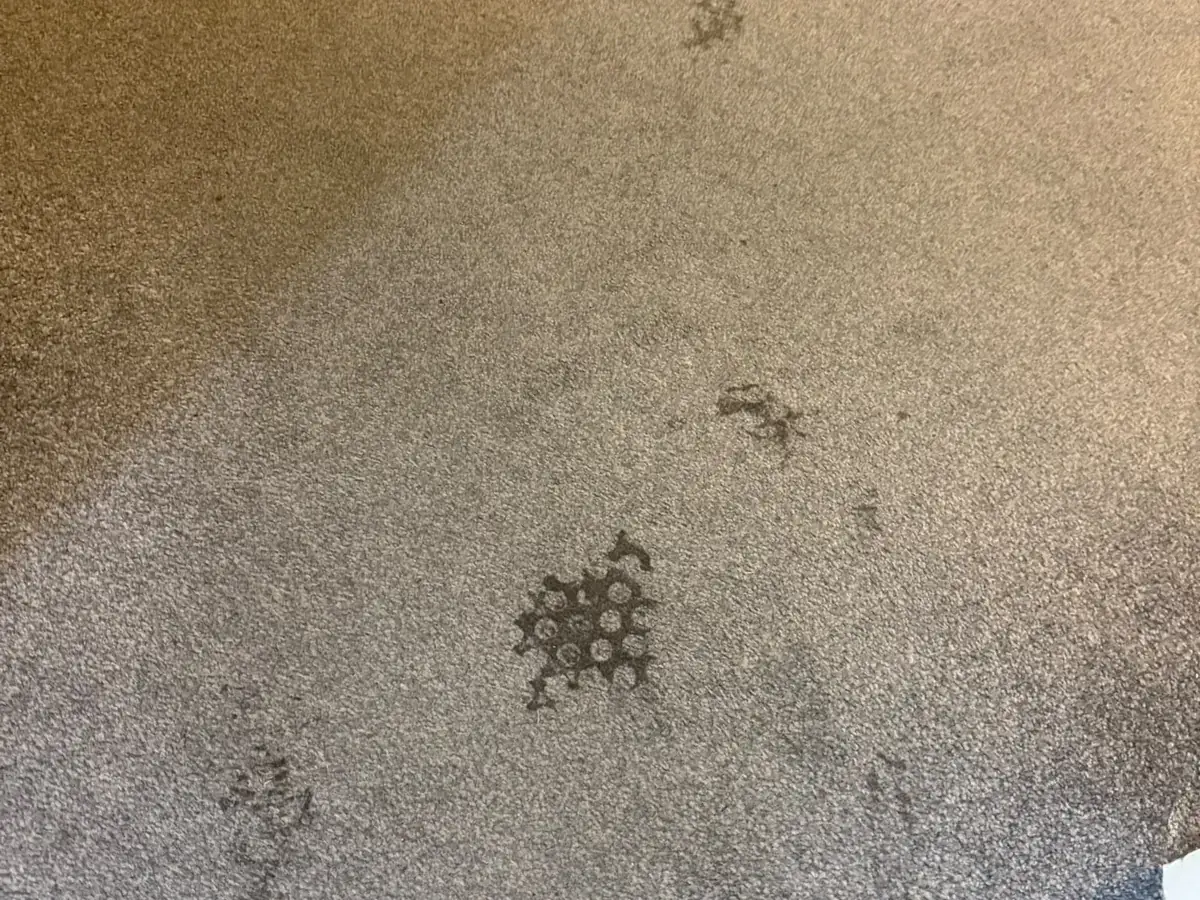
Permissioned photographs can help show the location and visible condition of an area. Use recognisable views and record when they were taken. Different lighting or angles can make comparisons misleading, so keep the comparison fair and avoid presenting it as a laboratory measurement.
Keep residents, staff, confidential paperwork and identifying details out of photographs where possible. Follow the site’s agreed permission and handling process. Permission to take an operational record is not automatically permission to publish a customer case study.
Give reopening advice to a named recipient
Record the advice that applies to the actual method, conditions and area. Agree who receives it and how the next building or office shift will see any outstanding instruction. A generic drying guide cannot determine that a particular floor is ready to reopen.
List follow-up actions with an owner and an agreed review point where available. That may mean reassessing an area, checking access for another visit or adjusting the next maintenance scope. It should not imply a recurring contract that has not been agreed.
Keep the record connected to the next decision
The facilities manager’s toolkit brings together survey and procurement resources. Use the tender guide to make future scopes easier to compare, and discuss planned maintenance where it suits the building.
To discuss a survey and the records your building needs, request a quote or message Pristine on WhatsApp 07488 325796. Email info@london-carpet-cleaner.co.uk. Response hours are 09:00-16:00 Monday-Friday, Europe/London; booked cleaning windows are agreed separately.