1. Identify the carpet before choosing the method
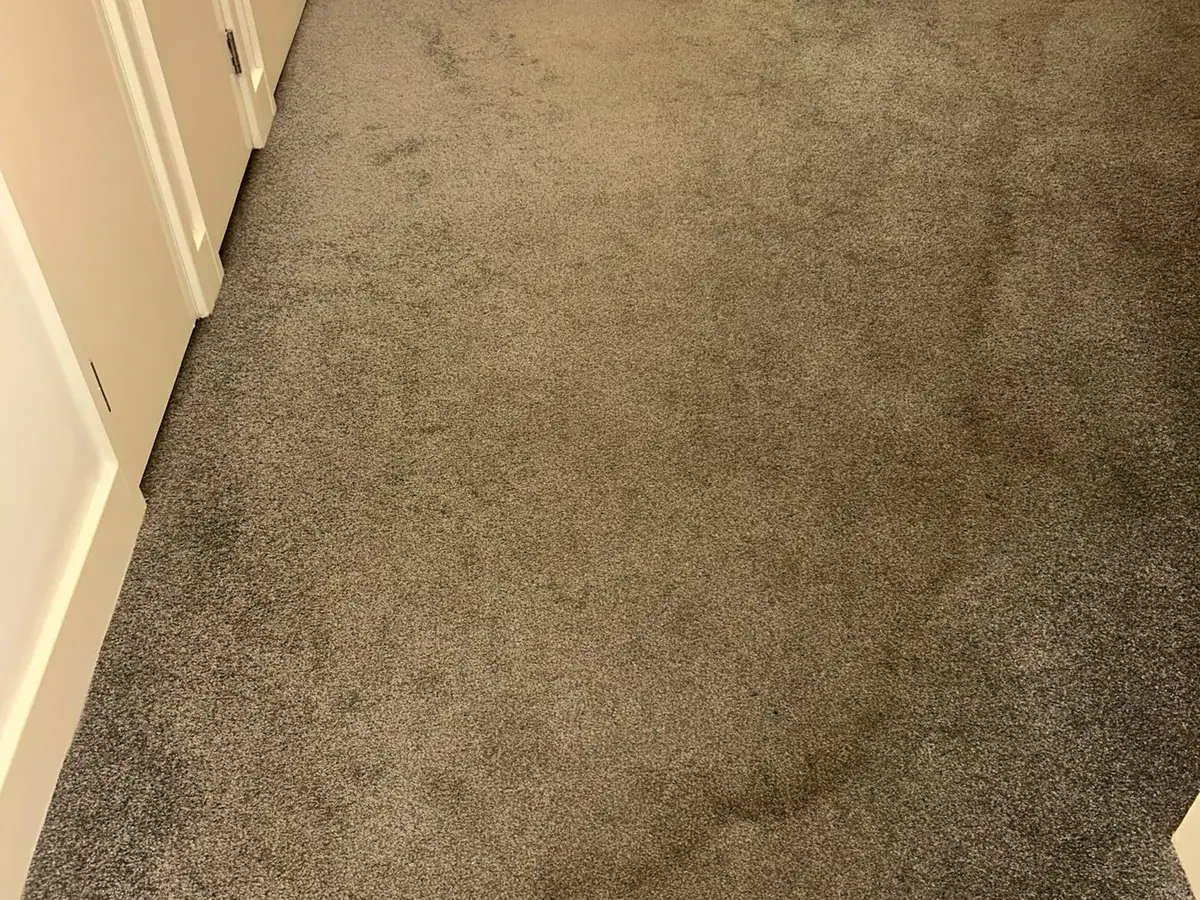
Collect the carpet specification, operations and maintenance manual, installation details and manufacturer care instructions where available. Record different products by floor or zone. Similar-looking carpets can have different fibres, backings and cleaning requirements.
Tell the contractor about previous damage, treatments and recurring marks. If records are missing, ask what checks are needed before work can be specified. Do not accept a product or method recommendation based on appearance alone.
Pristine does not hot-water-extract viscose, rayon or art silk. Uncertain suitability needs investigation before booking, rather than a promise that one method works everywhere.
2. Agree a representative test where the outcome is uncertain
If a previous clean caused damage, or heavy staining makes the result uncertain, discuss a discreet representative test area. Record the existing condition, proposed treatment and observed result, including the appearance after drying. Agree what would make the result acceptable before treating a larger area.
A test reduces uncertainty; it does not guarantee that every stain can be removed or that pre-existing damage can be reversed. Keep permanent staining, wear and damaged areas separate from removable soiling in the scope.
For a comparison of methods, read encapsulation versus hot water extraction.
3. Measure the work by floor and zone
Use a floor schedule rather than a single unverified total. For a residential block, identify communal corridors, landings, lift lobbies and entrances separately. For offices, distinguish open-plan areas, meeting rooms, circulation routes and spaces affected by furniture or restricted access.
Confirm whether stairs, shared seating, furniture movement and specialist spots are included. An annual programme and an initial restorative clean may require different scopes.
Use the facilities manager’s scope and completion templates to keep the same area assumptions across suppliers.
4. Plan access around residents and office users
Agree the working window, security contact, lift arrangements and sequence of floors or zones. Establish how people will move safely around the work and who will notify residents or office teams.
London sites should also confirm van loading, parking permission or charges, water filling points, suitable electrical supplies and agreed wastewater disposal arrangements. These details can change the practical programme even when two buildings have the same carpeted area.
Do not treat a provisional date as permission to start. Confirm the final scope, site arrangements and any required purchase order first.
5. Agree drying and reopening checks
Ask for a method-specific drying estimate and the conditions behind it. Fibre, backing, ventilation, moisture recovery, temperature and humidity all affect drying, so no method has one drying time for every building.
Treat any estimate as a planning assumption, not a guaranteed reopening time. Agree who checks the area and who authorises access after cleaning.
Read the commercial carpet drying guide before choosing a working window.
6. Compare the written scope before the price
Ask each contractor to identify measured areas, the proposed method, inclusions, exclusions, parking assumptions and VAT treatment. Clarify what happens if the survey reveals a different area or treatment requirement.
A lower total is not comparable if it omits floors, furniture responsibilities or an agreed part of the programme. Request a fixed written quotation for the surveyed scope before committing.
Use the commercial carpet cleaning cost guide for published indicative rates. A building-specific offer should not be treated as the standard rate for other properties.
7. Request documents for the actual job
Ask when site-specific risk assessment and method statement documents, relevant product and COSHH information, insurance evidence and your supplier-onboarding requirements will be available. Check that they relate to the intended work and attending team.
A generic template does not show that your building has been assessed. Record who reviews the documents, who can approve the work and who will inspect the completed areas.
The insurance and documents guide explains what to request.
Your survey record
Leave the survey with these points resolved or clearly listed as outstanding:
- Carpet products and care instructions, by floor or zone.
- Existing condition, previous treatment and any test-area decision.
- Measured areas, inclusions and exclusions.
- Proposed method and products, with suitability checks.
- Access, parking, utilities and floor sequence.
- Drying estimate, checks and responsibility for reopening.
- Written price, variation process and required documents.
- Provisional dates, approval steps and completion sign-off.
Arrange a commercial carpet survey in London
Pristine Carpet Solutions provides commercial carpet cleaning and planned maintenance for offices and managed buildings. A free site survey establishes the carpet, condition, measured scope and access arrangements before a written quotation.
Send the postcode, approximate carpeted area, building type and preferred access window through our survey enquiry form, or message Daniel on WhatsApp on 07488 325796. Email: info@london-carpet-cleaner.co.uk.