Start with the carpet’s condition
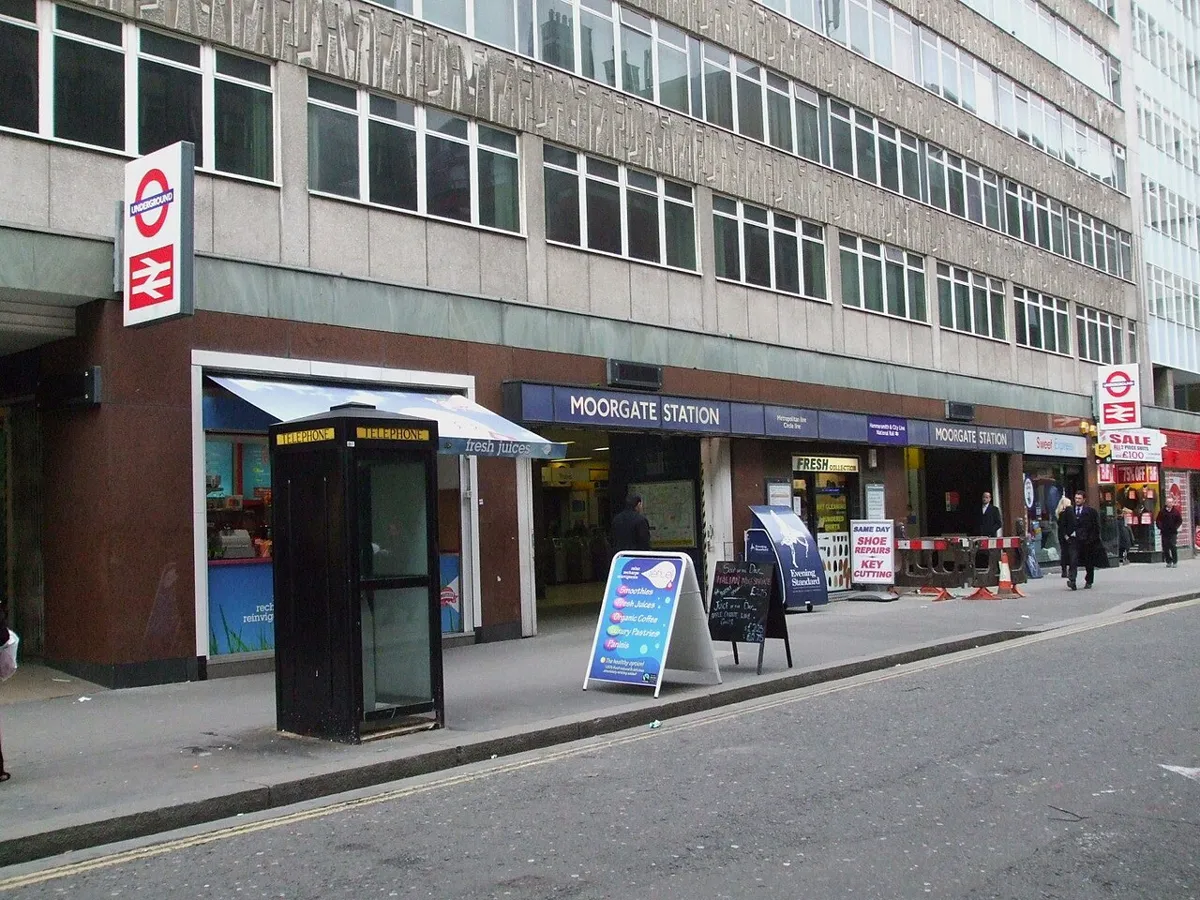
For a workplace around Moorgate, send the full address and postcode so coverage and survey availability can be confirmed. Identify the carpeted areas your organisation can appoint and the marks or traffic lanes you want assessed.
Tell us what changed after the last clean, which spot treatments have been used and how each zone is occupied. A recurring mark can have several causes. The survey considers the carpet, backing, treatment history and actual condition before deciding the next step.
Separate cleaning needs from wear and recurring marks
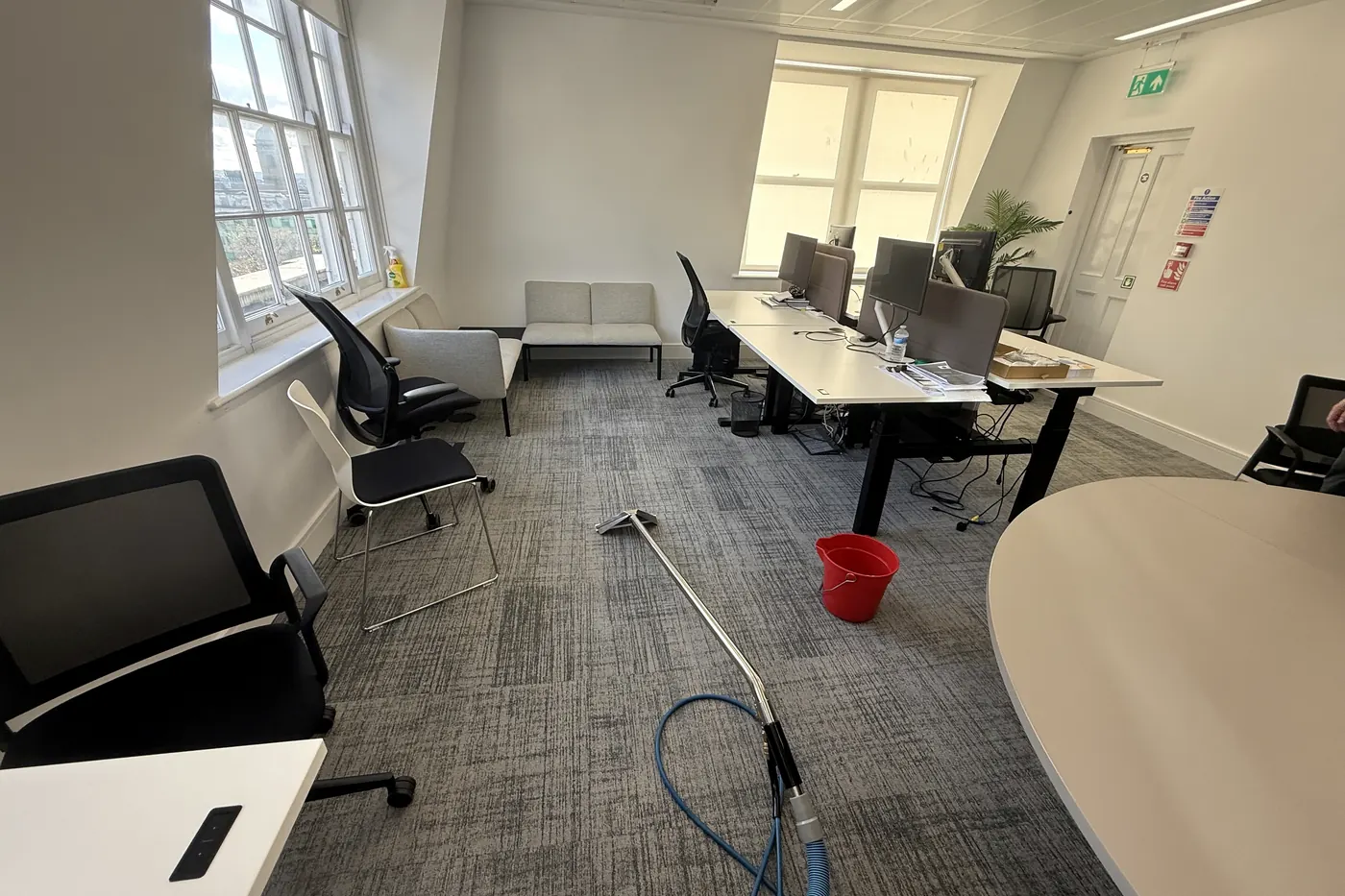
Use a short condition brief to explain the problem. Record what you can observe without assuming its cause or choosing a method before the carpet is assessed.
Swipe across the table to see all columns →
| What you observe | Useful information | What the survey should decide |
|---|---|---|
| Traffic lanes look darker | Zone reference, foot traffic, maintenance history and comparable photographs. | Whether a restorative clean or selected-zone maintenance is suitable. |
| A mark returns after treatment | Where it appears, when it returns, products used and any known spill history. | Whether further assessment or a test area is needed before wider treatment. |
| Pile looks flattened or colour has changed | The affected area, carpet specification if known and when the change was noticed. | The limits of cleaning where wear, damage or permanent colour loss is present. |
| Some zones stay cleaner than others | Use of entrances, desk routes, meeting rooms and tea points. | Which zones need a different visit scope or review frequency. |
Use a test area to answer a specific question
Where suitability or the likely result is uncertain, discuss a test area. Record the exact zone, method proposed, condition before treatment and the point at which it will be reviewed. The question might be whether a recurring mark improves or how the carpet responds once dry.
Review the actual result with the appointing contact before treating a larger area. A test does not promise complete stain removal, repair wear or replace manufacturer instructions. Pristine does not hot-water-extract viscose, rayon or art silk.
Build maintenance from a consistent condition record
- Keep zone names stable: use the same entrance, floor and room references on inspections, quotes and completion records.
- Compare like with like: use comparable viewpoints and record the inspection date and changes in use. Keep people, screens and confidential material out of photographs.
- Record actions: note which zones were cleaned, any inaccessible carpet and marks needing another assessment.
- Review the scope: adjust the proposed areas and frequency from observed condition and occupancy. A programme need not cover the whole floor at every visit.
Agree the method and access before booking
We check fibre, backing, installation, manufacturer guidance and condition before agreeing extraction or a suitable maintenance method. Include floor boxes, loose tiles, ventilation and furniture responsibilities in the survey brief.
Share the building’s contractor, unloading and lift instructions, along with the last occupied time and next use of each zone. Evening and weekend work can be agreed subject to availability and suitable access and drying arrangements. Upholstery has its own assessment and quote; private-home carpets and specialist hard-floor treatment are outside this service.
A measured scope and a fixed written quote
The free site survey confirms measurements, condition, access and the proposed method. Published carpet rates range from £2.00 to £2.80/m² with a £250 minimum per visit and no VAT added. The actual quote lists the areas, exclusions, furniture responsibilities and agreed work window. Separate buildings and stair areas need their own confirmed scope.
Questions before the survey
Do you cover commercial offices around Moorgate?
We consider office carpet-cleaning and maintenance enquiries around Moorgate. Send the actual site address and postcode so coverage, survey access and availability can be confirmed.
Does a returning stain mean the last clean failed?
Not necessarily. A recurring mark can have several causes. Record its location, when it returns and previous treatments so the carpet and likely cause can be assessed rather than repeatedly spot-treated without a clear plan.
How often should each carpet zone be cleaned?
Frequency depends on condition, use, carpet suitability and access. The survey can separate an initial clean from a maintenance programme and set review points for individual zones.
Will a test area guarantee the result across the whole office?
No. It provides evidence from the agreed area and conditions. Other carpet, staining or wear can differ, so the wider scope and its limits still need to be agreed.